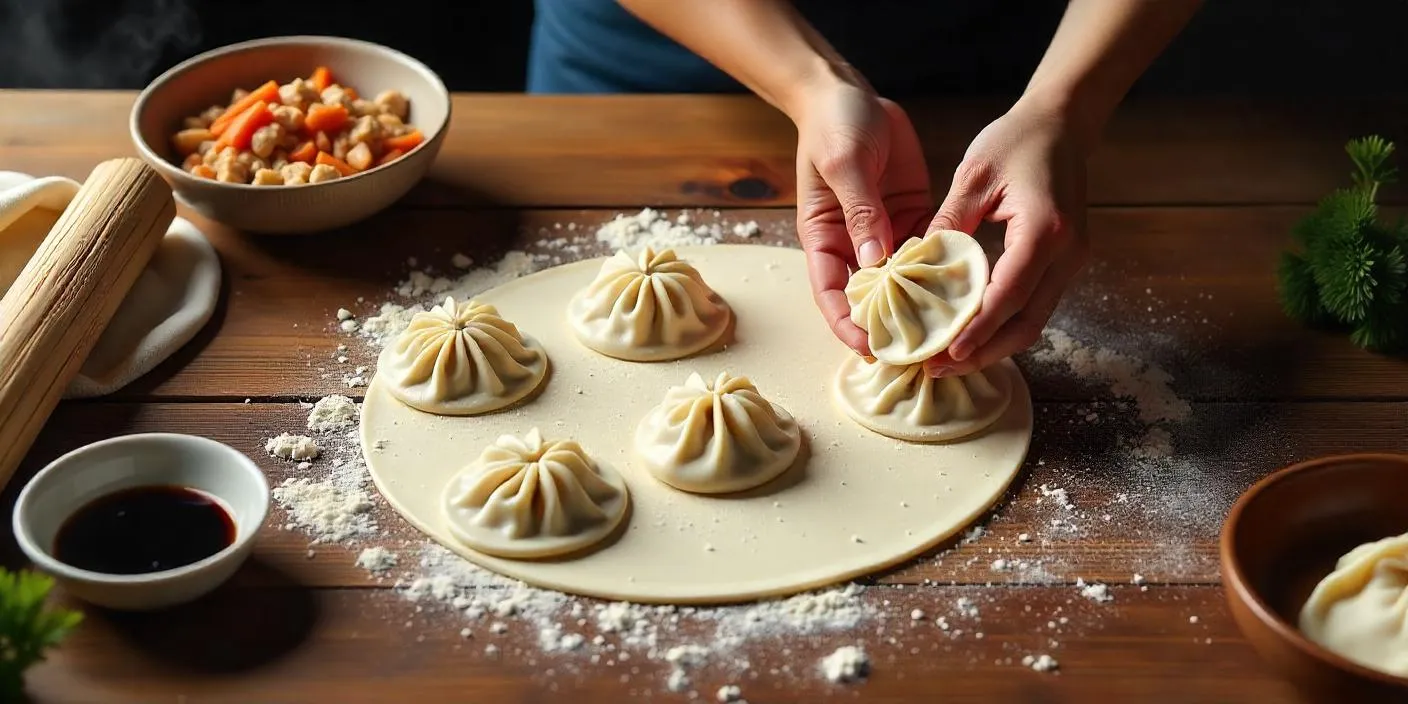
There’s a unique kind of culinary alchemy that happens when you create something delicious from scratch, and few dishes embody this magic quite like homemade dumplings. Imagine tender, pillowy morsels, each bursting with savory flavor, whether they're submerged in a rich, warming broth, crisped to golden perfection in a pan, or delicately steamed. These aren't just a meal; they're a comforting embrace, a culinary adventure, and a testament to the simple joy of good food. While the idea of crafting them at home might seem daunting, the truth is, with a little guidance, quality ingredients, and a dash of enthusiasm, anyone can master the art of making homemade dumplings.
This comprehensive guide is designed to demystify the process, transforming what many consider a complex endeavor into an enjoyable and rewarding kitchen experience. From selecting the right flour for your dough to concocting irresistible fillings and perfecting your cooking technique, we'll walk you through every step. Prepare to unlock the secrets to achieving tender, flavorful bites that will delight your palate and impress your loved ones.
The Magic of Homemade Dumplings: Why Make Them Yourself?
The allure of homemade dumplings extends far beyond their delicious taste. Making them yourself offers a host of benefits that pre-made or restaurant versions simply can't match. First and foremost is the unparalleled freshness. You control every ingredient, ensuring high quality and tailoring flavors precisely to your liking. Want more ginger in your pork filling? A spicier dipping sauce? The power is yours!
Beyond customization, there's immense satisfaction in the process itself. Kneading the dough, shaping the wrappers, and carefully folding each dumpling is a meditative and rewarding activity. It’s a wonderful way to connect with your food, to engage your hands, and to experience the joy of creating something truly special. Plus, the sheer variety of dumplings across cultures means you're never limited. From robust, leavened drop dumplings found in stews, to delicate Asian-style potstickers, or even sweet dessert dumplings, the world of homemade dumplings is vast and inviting.
Crafting the Perfect Dough: The Foundation of Flavor
The journey to an exceptional dumpling starts with its foundation: the dough. A well-made dough is soft yet elastic, easy to handle, and capable of holding its structure beautifully through various cooking methods. Understanding the role of each ingredient and technique is crucial.
Choosing Your Flour: Texture & Bite
The type of flour you select significantly influences the texture and chewiness of your final dumpling. It's not just about "flour"; it's about protein content:
- All-Purpose Flour: This is the workhorse of most dumpling recipes and an excellent choice for beginners. Its balanced protein content (typically 10-12%) makes it incredibly versatile, producing a tender yet resilient dough that's easy to roll and shape. It’s ideal for traditional boiled or steamed dumplings.
- Bread Flour: With a higher protein content (12-14%), bread flour develops more gluten. This results in a firmer, chewier dough, perfect if you prefer a more substantial bite or for wrappers that need extra structure, especially for pan-fried varieties where you want a robust bottom crust.
- Gluten-Free Flour Blends: For those with sensitivities, gluten-free options are viable. However, since gluten provides elasticity, you'll often need to supplement these flours with binders like xanthan gum or tapioca starch to achieve the desired pliability and prevent the dough from crumbling. While requiring a bit more finesse, delicious gluten-free dumplings are absolutely achievable.
Expert Tip: Always sift your flour before measuring! This aerates it, removes any lumps, and ensures you're getting an accurate, consistent measurement, which is vital for proper dough hydration.
The Art of Dough Hydration & Rest
Beyond flour, water is the only other primary ingredient for a traditional dumpling wrapper, and getting the balance right is key. Water temperature also plays a surprising role:
- Hot Water Dough: Using hot (not boiling) water, typically around 140-160°F (60-70°C), partially cooks the starch in the flour. This results in a very soft, pliable, and less elastic dough that is perfect for delicate steamed dumplings, yielding a translucent, tender wrapper.
- Cold Water Dough: Using cold or room-temperature water allows for more gluten development, creating a chewier, more elastic dough. This is ideal for boiled dumplings or pan-fried varieties where you want a bit more structure and bite.
Regardless of water temperature, always add it gradually, mixing until a shaggy dough forms. Knead for about 5-10 minutes until smooth and elastic. The dough should be slightly tacky but not sticky enough to cling to your hands.
The Golden Rule: Rest the Dough! After kneading, cover your dough with plastic wrap or a damp cloth and let it rest for at least 30 minutes, or even up to an hour. This crucial step allows the gluten to relax, making the dough much easier to roll out thinly without shrinking back. Skipping this step is a common mistake that leads to tough, difficult-to-work-with dough.
Unlocking Fluffy Drop Dumplings: A Pantry Staple Delight
Not all dumplings are created with wrappers. Unlock Fluffy Homemade Dumplings: Dough Tips & Pantry Staples describes another beloved category: the fluffy, leavened "drop dumpling" often found nestled in hearty soups and stews. These are incredibly simple to make, requiring just a handful of basic pantry staples:
- All-Purpose Flour: Again, the reliable choice for structure.
- Baking Powder: This is the secret to their signature fluffiness. Ensure your baking powder is fresh for maximum leavening power.
- Kosher Salt: To enhance and balance the flavors.
- Milk: Provides moisture and richness.
- Melted Butter: Adds tenderness and flavor.
These ingredients come together quickly to form a soft, scoopable dough. You simply drop spoonfuls directly into your simmering soup or stew, where they gently steam and puff up into wonderfully light and tender clouds. They’re the ultimate comfort food companion, absorbing the rich flavors of the broth as they cook.
Flavorful Fillings: Your Culinary Canvas
Once you’ve mastered the dough, it’s time to get creative with the fillings. This is where your homemade dumplings truly come to life, offering endless possibilities for customization:
- Meat Options: Ground pork is classic, but ground chicken, beef, or even shrimp make fantastic fillings. Combine different meats for complex flavors.
- Vegetarian Delights: Tofu, mushrooms, cabbage, carrots, spinach, and chives are excellent choices. Grate or finely chop vegetables to ensure even cooking and texture. For watery vegetables like cabbage or zucchini, a good trick is to salt them, let them sit, and then squeeze out excess moisture before mixing into the filling. This prevents a soggy dumpling.
- Flavor Boosters: Don't underestimate the power of aromatics and seasonings. Fresh ginger, garlic, green onions, soy sauce, sesame oil, rice vinegar, white pepper, and a pinch of sugar are common staples. Experiment with chili flakes for heat, or five-spice powder for an authentic Asian profile.
Key Considerations:
- Balance: Aim for a balance of savory, aromatic, and sometimes a hint of sweetness or acidity.
- Texture: Ensure your filling ingredients are finely minced or grated so they cook evenly and create a pleasant mouthfeel.
- Moisture: The filling should be moist but not wet. Excess moisture can make your dumplings soggy or cause wrappers to tear.
Shaping & Cooking: Bringing Your Dumplings to Life
With your perfect dough and flavorful filling ready, the final steps involve shaping and cooking your dumplings. This is where practice pays off, but even simple shapes taste incredible.
From Dough Ball to Wrapper: Rolling Techniques
Divide your rested dough into smaller, manageable portions. Roll each portion into a long log, then cut it into even pieces. Roll each piece into a small ball, then flatten it slightly. Using a rolling pin, roll each ball into a thin, round wrapper, about 3-4 inches in diameter. Aim for edges that are slightly thinner than the center; this helps in sealing and prevents overly thick edges. For consistency, some home cooks use a pasta machine on its thinnest setting.
The Art of Folding: Simple to Intricate
Place a spoonful of filling in the center of your wrapper. Moisten the edges of the wrapper with a little water using your finger. Fold the wrapper in half to create a half-moon shape, then pinch and seal the edges tightly. You can leave it as a simple half-moon, or create pleats along the sealed edge for a more decorative finish and extra security. Proper sealing is paramount to prevent filling from escaping during cooking.
Cooking Methods: Perfecting Your Bites
Different cooking methods yield distinct textures and flavors, offering versatility to your homemade dumplings:
- Boiling: This method produces the most tender and soft dumplings. Bring a large pot of salted water to a rolling boil, then gently drop in your dumplings (don't overcrowd!). Cook until they float to the surface and are plump, typically 5-8 minutes depending on size.
- Steaming: Ideal for delicate wrappers, steaming results in translucent, chewy, and incredibly tender dumplings. Arrange dumplings in a single layer in a bamboo or metal steamer basket lined with parchment paper (to prevent sticking), ensuring space between each. Steam over simmering water for 8-12 minutes until cooked through.
- Pan-Frying (Potsticker Style): For a crispy bottom and a chewy top, pan-frying is the way to go. Heat a lightly oiled non-stick pan over medium-high heat. Place dumplings in a single layer, fry until bottoms are golden brown (2-3 minutes), then add about 1/2 cup of water to the pan. Immediately cover and steam until the water evaporates and dumplings are cooked through (5-7 minutes). Uncover and fry for another minute or two to re-crisp the bottoms.
- Drop Dumplings: As discussed, these are cooked directly in simmering soups or stews until they puff up and are cooked through, usually 10-15 minutes, depending on their size.
Remember: Don't overcrowd your cooking vessel, regardless of the method. Cook in batches if necessary to maintain even temperature and ensure proper cooking.
Tips for Homemade Dumpling Success
- Freeze for Later: Homemade dumplings freeze beautifully! Arrange raw, shaped dumplings in a single layer on a parchment-lined baking sheet and freeze until solid. Transfer them to a freezer-safe bag or container. Cook directly from frozen, adding a few extra minutes to the cooking time.
- Practice Makes Perfect: Don't get discouraged if your first few aren't perfectly shaped. The flavor will still be amazing! With each batch, your technique will improve.
- Don't Be Afraid to Experiment: Once you understand the fundamentals, feel free to play with different flours, seasonings, and filling combinations to create your signature dumplings.
- Serve with Sauce: A simple dipping sauce (soy sauce, rice vinegar, a touch of sesame oil, and chili oil) can elevate your dumplings to the next level.
Making homemade dumplings is a journey of culinary discovery that offers immense satisfaction and truly delicious rewards. From the humble flour and water to the vibrant, flavorful filling, every step contributes to a memorable eating experience. Whether you’re preparing a cozy family meal or an impressive dish for guests, the tender, flavorful bites of your own creations will speak volumes. So, roll up your sleeves, gather your ingredients, and embark on your own dumpling-making adventure. You'll soon discover that crafting these comforting morsels is not only easy but incredibly fulfilling.
