Unlock the Magic of Homemade Dumplings: Crafting Fluffy Perfection from Scratch
There's an undeniable allure to a plate of
homemade dumplings – whether they're delicate pockets brimming with savory fillings, tender clouds floating in a hearty stew, or crispy pan-fried delights. They represent the ultimate comfort food, a culinary embrace that transcends cultures and brings joy to every bite. While the idea of making dumplings from scratch might seem daunting, it's a remarkably achievable and deeply rewarding endeavor. With the right knowledge of dough dynamics and a few essential pantry staples, you'll be well on your way to mastering the art of creating tender, pillowy, and perfectly flavorful homemade dumplings. No culinary diploma needed, just a passion for delicious food and a willingness to explore.
This comprehensive guide will demystify the process, focusing on the very foundation of any great dumpling: the dough. We'll dive into flour choices, essential mixing techniques, and the simple ingredients that elevate humble flour and water into something truly magical.
The Cornerstone: Selecting Your Flour for Perfect Homemade Dumplings
The journey to perfect
homemade dumplings unequivocally begins with flour. It's not just a filler; it's the primary architectural component that dictates the bite, chew, and overall texture of your final dumpling. Understanding the nuances of different flour types is crucial for achieving your desired result, whether that's a delicate wrapper or a robust, chewy drop dumpling.
- All-Purpose Flour: The Versatile Workhorse
For most dumpling recipes, especially when you're just starting out, all-purpose flour is your best friend. Its balanced protein content (typically 10-12%) provides a happy medium, yielding a dough that is both pliable and strong enough to hold its shape. It's easy to work with, forgiving for beginners, and forms the basis for many traditional Asian-style dumpling wrappers and Western-style drop dumplings. The resulting dumplings will be tender yet possess a satisfying chew.
- Bread Flour: For a Chewier, More Robust Texture
If you're aiming for a dumpling with a firmer, more substantial, and chewier texture, bread flour is an excellent choice. With a higher protein content (12-14%), it develops more gluten, resulting in a dough with greater elasticity and strength. This makes it ideal for thicker wrappers that need to withstand vigorous boiling or for dumplings where a more pronounced chew is desired. Think heartier soup dumplings or those intended for deep frying.
- Gluten-Free Flours: Delicious Alternatives for Dietary Needs
For those with gluten sensitivities, the good news is that delicious homemade dumplings are still within reach! A blend of gluten-free flours, often incorporating rice flour, tapioca starch, and potato starch, can mimic the texture of traditional dough. The key to achieving elasticity and preventing crumbly dough in gluten-free recipes is often the addition of a binder like xanthan gum or extra tapioca starch. While they may require a bit more finesse and hydration adjustments, the results can be incredibly satisfying and open up the world of dumplings to everyone.
Pro Tip: Always sift your flour before measuring. This simple step aerates the flour, prevents clumps, and ensures more accurate measurements, leading to a smoother, more consistent dough.
Mastering the Mix: Techniques for Elastic & Pliable Dough
Once you've selected your flour, the next critical step in making perfect
homemade dumplings is mastering the mixing process. It's not just about combining ingredients; it's about coaxing the flour and water to form a cohesive, elastic structure.
- Gradual Water Addition is Key:
Flour absorption can vary based on brand, humidity, and even the temperature of your kitchen. Therefore, always add water *gradually* to your flour. Start with the recommended amount, but be prepared to add a little more, spoonful by spoonful, or a sprinkle of extra flour until you achieve the right consistency. The goal is a dough that is soft and slightly tacky, but not overly sticky.
- The Magic of Water Temperature:
The temperature of the water you use can significantly impact the final texture of your dumpling dough.
- Hot Water Dough: Using hot (not boiling) water, typically around 180-200°F (82-93°C), partially gelatinizes the starch in the flour. This results in a softer, more pliable dough that is easier to roll thin and less prone to shrinking. Hot water doughs are particularly excellent for steamed dumplings, yielding a tender, almost translucent wrapper.
- Cold Water Dough: Cold or room temperature water encourages stronger gluten development. This produces a dough that is firmer, chewier, and holds its shape exceptionally well, making it ideal for boiled or pan-fried dumplings that require more structural integrity.
- Kneading for Structure:
Once your dough comes together, proper kneading is essential. Kneading develops the gluten, making the dough smooth, elastic, and easy to work with. Aim for 5-10 minutes of kneading by hand until the dough feels smooth and bounces back when gently poked. If using a stand mixer with a dough hook, 3-5 minutes is usually sufficient. A well-kneaded dough will be easier to roll thin without tearing and will provide that desirable chew.
- The Indispensable Rest:
Perhaps one of the most overlooked yet vital steps is resting the dough. After kneading, cover your dough ball with plastic wrap or a damp cloth and let it rest for at least 30 minutes at room temperature (or longer in the fridge). This allows the gluten to relax, making the dough significantly easier to roll out. It also hydrates the flour more fully, resulting in a smoother, more extensible dough that won't resist you when you're shaping your wrappers.
Expert Insight: A perfect dumpling dough should feel slightly firm but supple, like a baby's bottom. If it's too dry, it will crack when rolled; too wet, and it will stick to everything. Trust your senses and adjust as needed!
Whipping Up Wonders: Essential Pantry Staples for Fluffy Drop Dumplings
While the previous section focused on dough for wrappers, another beloved category of
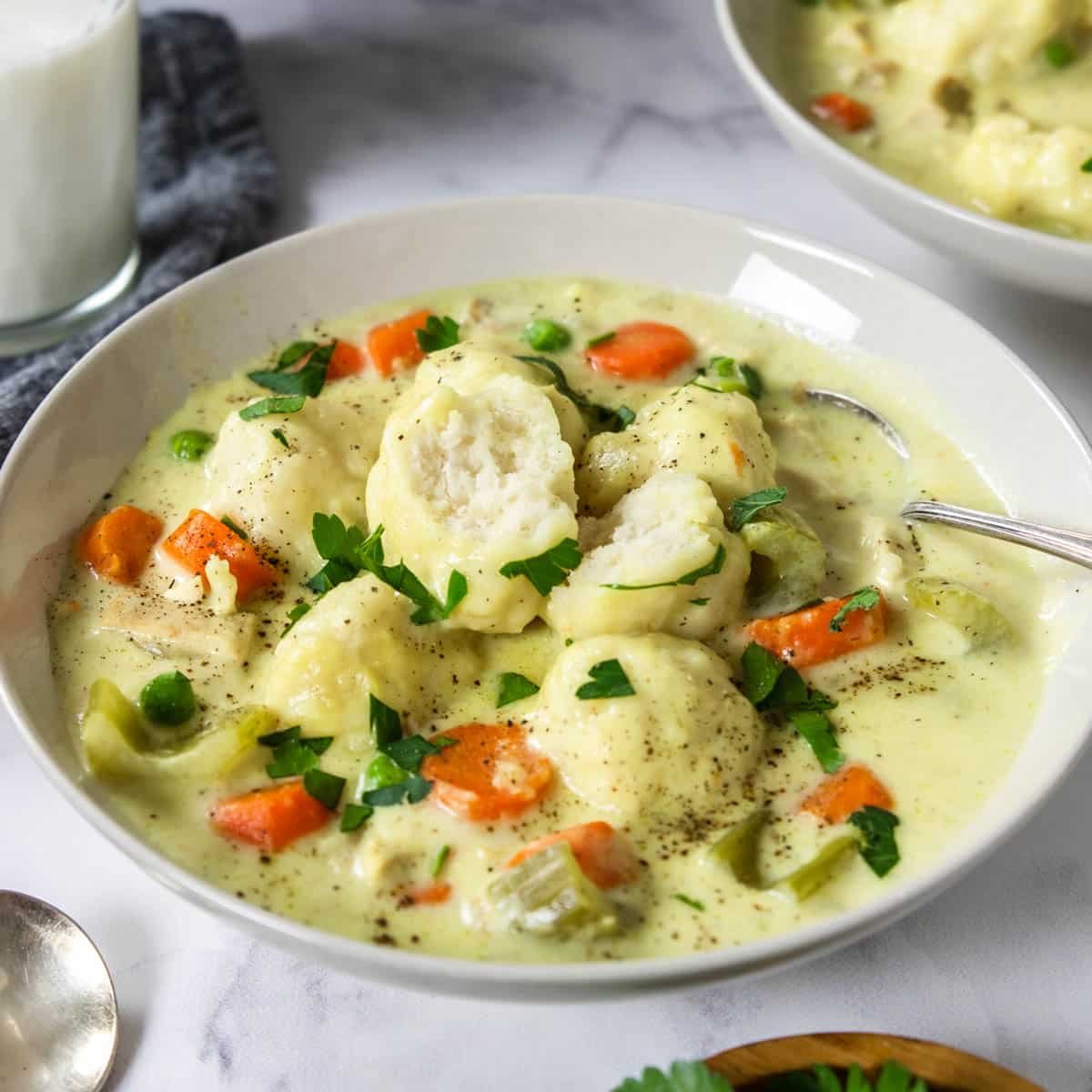
homemade dumplings are the soft, fluffy drop dumplings that steam directly in your soup or stew. These delightful morsels require a slightly different approach and a few specific pantry staples to achieve their signature light and tender texture. The beauty is in their simplicity!
Here’s what you’ll need for truly fluffy drop dumplings:
- All-Purpose Flour: As discussed, it provides the perfect base for these tender bites. Accuracy in measuring is crucial here. Spoon the flour lightly into your measuring cup and level it off with a straight edge rather than scooping directly, which can compact the flour and lead to a heavier dough.
- Baking Powder: The Fluff Factor
This is the secret weapon for light, airy dumplings. Baking powder is a leavening agent that reacts with liquid and heat to produce carbon dioxide bubbles, which are trapped in the dough, causing it to expand and become fluffy. Ensure your baking powder is fresh; if it's expired, your dumplings will be dense and heavy. You can test its freshness by adding a teaspoon to a bowl of hot water – it should fizz vigorously.
- Kosher Salt: Flavor Enhancer
Salt doesn't just season; it enhances all the other flavors in your dough and ultimately, your soup or stew. A teaspoon is usually enough to balance the richness.
- Milk: The Liquid Binder
Milk contributes to the tenderness and richness of the dumplings, providing the necessary moisture to activate the baking powder and bring the dough together. Whole milk offers the richest flavor, but lower-fat varieties work well too.
- Melted Butter: For Richness and Tenderness
A touch of melted butter adds incredible flavor and contributes to the soft, tender crumb of the dumplings. It also helps to prevent them from becoming tough.
These simple ingredients, combined in the right proportions, come together in minutes to form a soft, dollop-able dough. Dropping spoonfuls directly into simmering broth allows them to gently steam, resulting in those irresistibly soft and pillowy textures that make drop dumplings so beloved.
From Dough to Delight: Cooking Methods & Filling Inspirations
With your perfect dough ready, the world of
homemade dumplings opens up to a myriad of possibilities. The type of dough you've prepared often dictates the best cooking method and even influences your choice of filling.
For wrapper-based dumplings:
- Steaming: Ideal for hot water doughs, steaming yields tender, delicate, and often translucent dumplings with a soft bite. Perfect for vegetable or delicate seafood fillings.
- Boiling: A classic method for many types of dumplings, especially those with heartier meat fillings. Cold water doughs excel here, maintaining their structure. The dumplings swell and become plump, absorbing some of the cooking liquid's flavor.
- Pan-Frying (Potstickers): Achieve a crispy, golden-brown bottom and a tender, steamed top. This method usually involves a combination of frying and steaming. A slightly chewier dough (like those made with some bread flour) can stand up well to this.
- Deep-Frying: For a truly indulgent experience, some dumplings are deep-fried, resulting in a wonderfully crisp exterior.
And when it comes to fillings, the only limit is your imagination! From classic ground pork and cabbage to succulent shrimp and chives, or vibrant mixtures of mushrooms and tofu, the versatility is endless. For a deeper dive into the world of savory fillings and various folding techniques, you might want to explore our guide on
Master Homemade Dumplings: The Essential Guide to Perfect Bites.
For fluffy drop dumplings:
These are almost exclusively cooked by gently simmering them directly in a rich soup or stew. The dough is dropped by spoonfuls into the hot liquid, where it steams and cooks through, soaking up all the delicious flavors of its host dish. They are typically ready when they float to the surface and are plump and doubled in size.
Troubleshooting Your Dumpling Journey
Even with the best tips, making
homemade dumplings can present a few common challenges. Here’s how to tackle them:
- Dough is Too Stiff/Cracks: This means it’s too dry. Add a very small amount of warm water (a teaspoon at a time) and knead it in until the dough becomes pliable. Make sure you’ve rested it adequately!
- Dough is Too Sticky: This means it’s too wet. Add a small amount of flour (a teaspoon at a time) and knead until it's tacky but no longer sticking excessively to your hands or work surface.
- Dumplings Fall Apart During Cooking: This could be due to under-kneading (weak gluten structure), dough that’s too thin for the filling, or insufficient sealing of the wrappers. Ensure your dough is properly elastic and wrappers are sealed tightly. For drop dumplings, ensure they're fully cooked and the baking powder was fresh.
- Dumplings are Dense or Gummy: This is often a sign of overworking the dough, not resting it enough, or expired baking powder for drop dumplings. Handle dough gently after the initial kneading, and always allow ample rest time.
Conclusion: Your Delicious Dumpling Adventure Awaits
The journey to crafting perfect
homemade dumplings is a delightful one, filled with sensory pleasures from the feel of the dough to the aroma of them cooking. By understanding the role of different flours, mastering basic mixing techniques, and leveraging simple pantry staples, you're empowered to create tender, flavorful, and incredibly satisfying dumplings right in your own kitchen. Whether you prefer the delicate chew of a steamed wrapper or the fluffy comfort of a drop dumpling, the fundamentals remain the same: quality ingredients, mindful preparation, and a little bit of practice. So roll up your sleeves, gather your ingredients, and embark on your delicious dumpling adventure. Ready to embark on your dumpling adventure? For more detailed recipes and step-by-step instructions, be sure to check out
Homemade Dumplings Made Easy: Your Guide to Tender & Flavorful Bites.