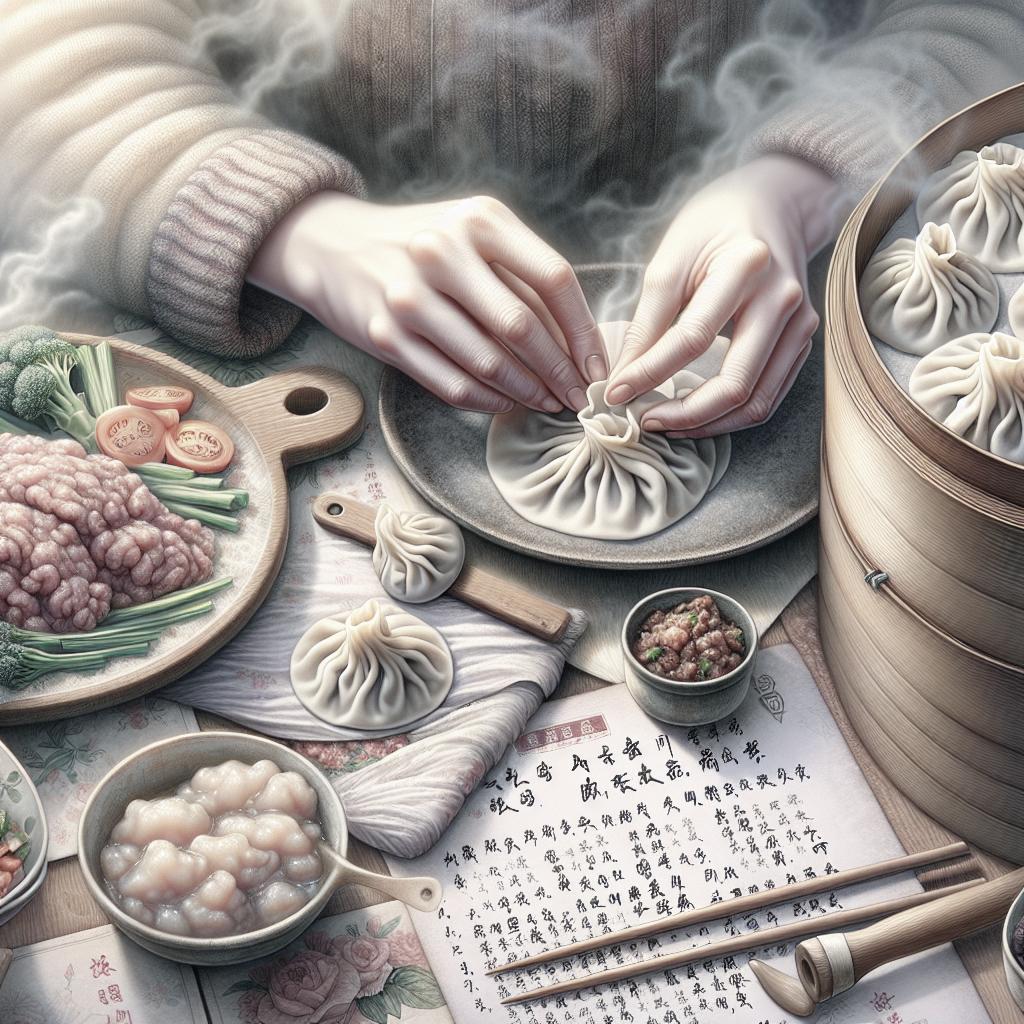
There's an undeniable magic that happens when a plate of homemade dumplings lands on the table. Each tender, pillowy bite, bursting with savory goodness, evokes a sense of comfort and tradition that few other dishes can rival. Whether they're gently floating in a rich, aromatic broth, pan-fried to a golden, crispy perfection, or lovingly stuffed with a juicy, flavorful filling, dumplings truly are the ultimate comfort food. The quest to achieve that perfect texture and unforgettable taste right in your own kitchen might seem daunting, but fear not! With the right ingredients, a few simple yet effective techniques, and a dash of practice, anyone can master the delightful art of homemade dumplings – no culinary degree required.
This comprehensive guide will walk you through the fundamentals, from selecting the ideal flour for your dough to mastering various cooking methods. Prepare to embark on a culinary journey that will not only result in delicious meals but also equip you with the skills to confidently create perfect homemade dumplings every single time, loving every bite of the process and every moment of creation.
The Foundation: Crafting Your Perfect Homemade Dumpling Dough
The journey to truly perfect homemade dumplings invariably begins with the dough. It's the unsung hero, the flexible canvas that cradles your fillings or offers a satisfying chew in a comforting soup. The dough's texture, elasticity, and ability to hold its structure through various cooking methods are paramount to the success of your dumplings. Choosing high-quality, well-balanced ingredients and understanding their roles is key, starting with the very foundation: the flour.
Choosing Your Flour for Optimal Texture
The type of flour you select significantly influences the final bite and chew of your homemade dumplings. Understanding these differences will empower you to create the exact dumpling experience you desire:
- All-Purpose Flour: This is the most popular and versatile choice for most dumpling recipes, especially for beginners. Its balanced protein content (typically 10-12%) makes it easy to work with, yielding a dough that's soft yet elastic, perfect for a wide range of traditional dumpling styles. It's your reliable go-to for consistent results.
- Bread Flour: For those who prefer a firmer, chewier dumpling, bread flour is an excellent option. With a higher protein content (12-14%), it develops more gluten, resulting in a dough with greater structure and a satisfyingly resilient bite. This is ideal for thicker dumpling wrappers or recipes where you want the dough to stand up to robust fillings or longer cooking times.
- Gluten-Free Flour Blends: For individuals with gluten sensitivities or celiac disease, gluten-free flour blends offer a delicious alternative. These blends often require the addition of binders like xanthan gum or tapioca starch to replicate the elasticity that gluten provides. While they demand a bit more finesse and hydration adjustments, they can certainly yield delicious and tender homemade dumplings.
Essential Dough Mixing Techniques for Success
Beyond choosing your flour, how you handle and mix your dough is crucial. These techniques ensure a smooth, pliable, and perfectly textured dumpling wrapper:
- Always Sift Your Flour: Before measuring, take the time to sift your flour. This simple step aerates the flour, removes any lumps, and ensures a smoother dough consistency, which is easier to work with. It also contributes to more accurate measurements, as unsifted flour can be more compacted.
- Add Water Gradually: The amount of water your flour absorbs can vary based on factors like room temperature and humidity. Therefore, always add water a little at a time, mixing until it's just incorporated. This prevents a watery, sticky dough and allows you to achieve the perfect consistency.
- Rest the Dough: Patience is a virtue in dumpling making. Once mixed, cover your dough and let it rest for at least 30 minutes, or even up to an hour. This allows the gluten to relax, making the dough significantly easier to roll out and shape without springing back.
- Hot Water Dough vs. Cold Water Dough:
- Hot Water Dough (烫面 - tàng miàn): Using hot or boiling water gelatinizes some of the starch in the flour. This results in a dough that is incredibly soft, pliable, and easy to roll thinly, producing a silky, tender texture that is perfect for steamed dumplings like har gow or certain potstickers.
- Cold Water Dough (冷水面 - lěng shuǐ miàn): Using cold water allows for slower gluten development, creating a firmer, more elastic dough with a chewier texture. This type of dough is ideal for boiled dumplings, ensuring they hold their shape well without becoming mushy.
- Aim for a Slightly Tacky Consistency: Your finished dough should be soft, pliable, and slightly tacky to the touch, but not overly sticky. If it's too dry, it will be difficult to roll and prone to cracking. If it's too wet, it will stick to your surfaces and hands. Adjust with a tiny sprinkle of flour or a few drops of water as needed during the initial kneading.
- Kneading is Key: Don't skip the kneading! Whether by hand or with a stand mixer, kneading for 8-10 minutes develops the gluten, giving the dough its essential elasticity and strength. You'll know it's ready when it feels smooth, elastic, and bounces back slowly when gently poked.
Beyond the Basics: Mastering Different Dumpling Styles and Cooking Methods
One of the most delightful aspects of homemade dumplings is their incredible versatility. They aren't just one thing; they encompass a vast world of shapes, fillings, and cooking techniques, each offering a unique culinary experience. From fluffy morsels that melt in your mouth to crispy pockets bursting with flavor, mastering different styles opens up a universe of possibilities.
Drop Dumplings: The Ultimate Comfort Food Companion
When the weather turns chilly or you simply crave a hug in a bowl, fluffy homemade dumplings, often called "drop dumplings," are the answer. These are incredibly simple to make, requiring minimal fuss and just a handful of pantry staples. You literally drop spoonfuls of a simple dough right into your simmering soup or stew, where they gently steam and cook into soft, pillowy clouds.
The basic ingredients for these delightful fluffy dumplings are truly basic:
- All-Purpose Flour: The backbone of the dumpling. Remember to spoon and level it into your measuring cup for accuracy.
- Baking Powder: This is your secret to achieving that coveted fluffiness. Always ensure your baking powder is fresh and active for the best rise.
- Kosher Salt: Enhances the overall flavor, preventing the dumplings from tasting bland.
- Milk: Provides the necessary moisture and contributes to a tender crumb.
- Melted Butter: Adds richness and helps create that desirable light texture.
When preparing drop dumplings, resist the urge to overmix the dough. Gently combine the ingredients until just moistened. Overmixing can develop too much gluten, resulting in tough, dense dumplings rather than light, airy ones. Drop them into a gently simmering (not boiling!) broth or stew, cover the pot tightly, and let them steam. Avoid lifting the lid during cooking, as the trapped steam is vital for their fluffy transformation.
Stuffed Dumplings: Crafting Flavorful Pockets
This category is perhaps what most people envision when they hear "homemade dumplings" – delicate pockets of dough wrapped around a delicious filling. The beauty here lies in the endless variety, catering to every palate, whether you're craving juicy meat, flavorful veggies, or even a sweet surprise.
Crafting the Perfect Filling: The filling is where your creativity can truly shine.
- Balance Flavors: Think about a mix of savory, umami, aromatic (garlic, ginger, scallions), and perhaps a touch of acid.
- Texture is Key: Finely chop or mince ingredients to ensure a uniform texture that cooks evenly and is pleasant to eat. For meat fillings, a mix of lean and fatty meat often yields the best flavor and juiciness.
- Moisture Control: For vegetable fillings, especially those with high water content (like cabbage or zucchini), consider salting and squeezing out excess moisture before mixing. This prevents soggy dumplings that can tear or burst.
- Season and Taste: Always season your filling generously. It’s a good practice to cook a tiny spoonful of your filling in a pan or microwave to taste and adjust seasonings before wrapping all your dumplings.
Shaping and Sealing: This is where the artistry comes in. There are countless folds, from simple half-moons to intricate pleats. The key is to create a tight seal to prevent fillings from escaping during cooking. Practice with a few and you'll quickly find a technique that feels comfortable and produces beautiful, functional dumplings.
Cooking Methods for Stuffed Dumplings: Each method offers a distinct experience:
- Boiling: A classic method for many Asian dumplings (like Jiaozi). They are dropped into simmering water until they float and are cooked through, resulting in a soft, tender wrapper. Ideal for most meat and vegetable fillings.
- Steaming: Perfect for delicate, juicy fillings and hot water doughs. Steaming preserves the moisture of the filling and yields an incredibly tender, almost translucent wrapper. Dim sum favorites like Siu Mai and Har Gow are typically steamed.
- Pan-Frying (Potstickers): This method gives you the best of both worlds – a crispy, golden-brown bottom and a tender, steamed top. You typically fry them in a little oil until the bottom is crisp, then add a splash of water, cover, and steam until the water evaporates and the dumplings are cooked through.
Tips and Tricks for Homemade Dumpling Perfection
Making homemade dumplings is a rewarding culinary adventure. To ensure your journey is filled with delicious success, here are some invaluable tips and tricks:
- Practice Makes Perfect: Don't be discouraged if your first batch isn't Instagram-perfect. Like any craft, dumpling making improves with practice. Focus on taste and texture first, and the aesthetics will follow.
- Keep Dough Covered: Whether you're resting the main dough ball or working with individual wrappers, always keep unused dough covered with a damp cloth or plastic wrap. This prevents it from drying out and becoming brittle.
- Thin Edges, Slightly Thicker Center (for stuffed dumplings): When rolling out wrappers, aim for edges that are slightly thinner than the center. This makes sealing easier and ensures the wrapper isn't too thick where the pleats meet, preventing a gummy texture.
- Don't Overfill: It's tempting to cram as much delicious filling as possible into each wrapper, but overfilling makes sealing difficult and increases the risk of bursting during cooking. Start with a modest amount, about a tablespoon for standard-sized dumplings.
- Lightly Flour Your Surface: Use just enough flour to prevent sticking when rolling or shaping, but don't overdo it. Too much flour can make the dough dry and prevent wrappers from sealing properly.
- Test a Dumpling: Before cooking a whole batch, cook one or two dumplings. This allows you to check if the filling is seasoned correctly and if the wrappers hold up well during your chosen cooking method. Adjust as needed.
- Freezing for Future Feasts: Homemade dumplings freeze beautifully! Arrange uncooked dumplings in a single layer on a parchment-lined baking sheet and freeze until solid. Once frozen, transfer them to a freezer-safe bag or container. Cook from frozen, adding a few extra minutes to the cooking time.
Mastering homemade dumplings is a truly satisfying endeavor. From the tactile pleasure of kneading dough to the creative joy of crafting diverse fillings and the aroma of them cooking, every step is a celebration of culinary craft. Embrace the process, experiment with different flavors and techniques, and most importantly, savor every single bite of your perfect homemade creations. Happy dumpling making!
